

Beyond brushing.
Daily oral care hasn’t changed in decades.
Until now.
Beyond Brushing.
Daily oral care hasn’t changed in decades. Until now.
Why it matters
Oral health is closely connected to overall health.
Dental plaque continuously forms in the mouth and can contribute to inflammation in the gums if not properly managed.
Oral inflammation is increasingly being studied for its potential role in overall health.
Yet daily oral care still focuses on brushing and flossing.

Did you know? Even the best toothbrush removes only 65 % of plaque. Lumoral removes 99.998 % of harmful plaque while supporting healthy oral bacterial diversity.
The best care for your smile, coming soon to UAE.
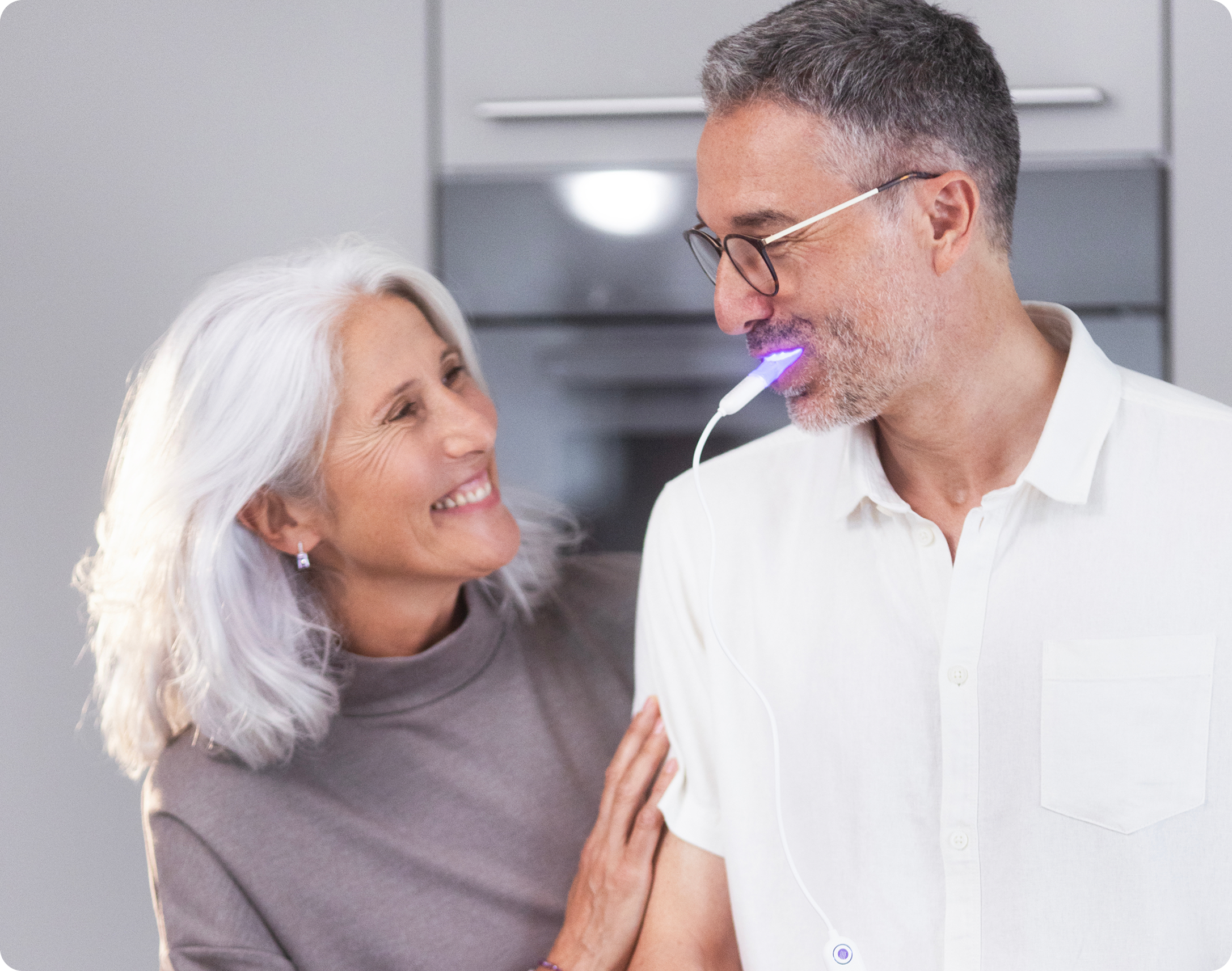
Lumoral is an easy to use oral care system that targets harmful plaque bacteria in the mouth while supporting healthy oral bacterial diversity. Developed in the Nordics and tested for safety and long term effectiveness.
Bringing advanced oral health technology into everyday life.
Feel the difference in your oral health
Lumoral Starter Kit


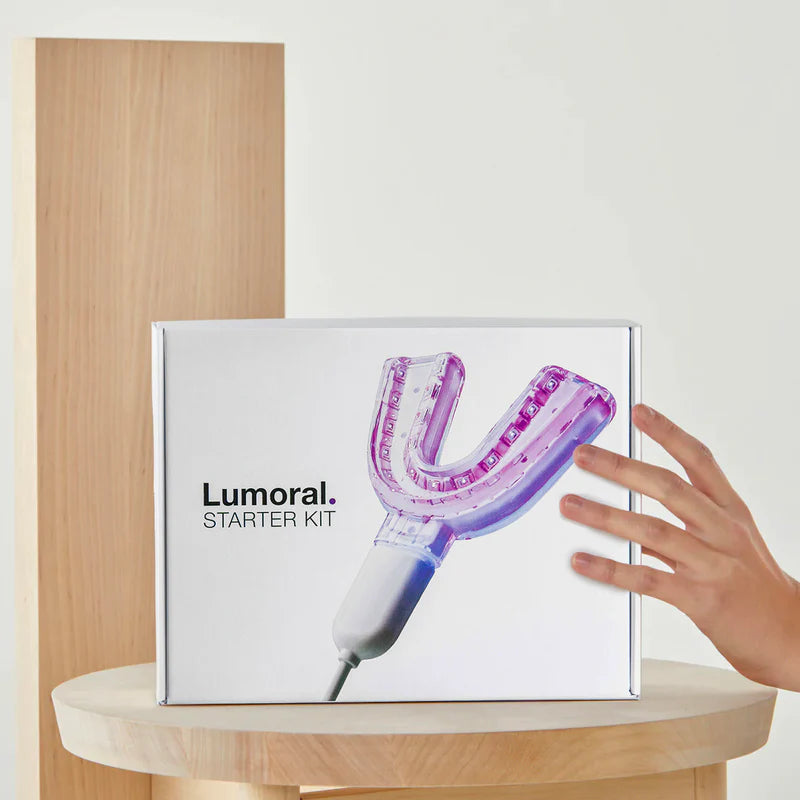
Lumoral Starter Kit
Lumoral Junior Starter Pack


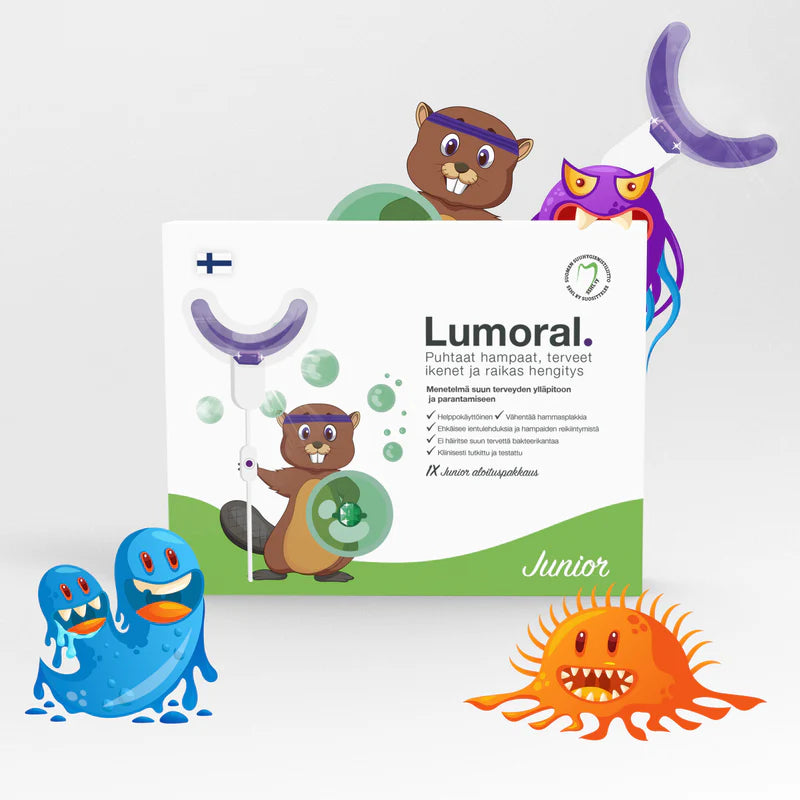
Lumoral Junior Starter Pack
Lumorinse Light Activated Oral Substance, 10 tablets


Lumorinse Light Activated Oral Substance, 10 tablets
Lumorinse Light Activated Oral Substance, 30 tablets


Lumorinse Light Activated Oral Substance, 30 tablets

Pay in 4 interest-free installents with tabby. Shop now, pay later.
Easy to use:
A simple routine, recommended by dental professionals
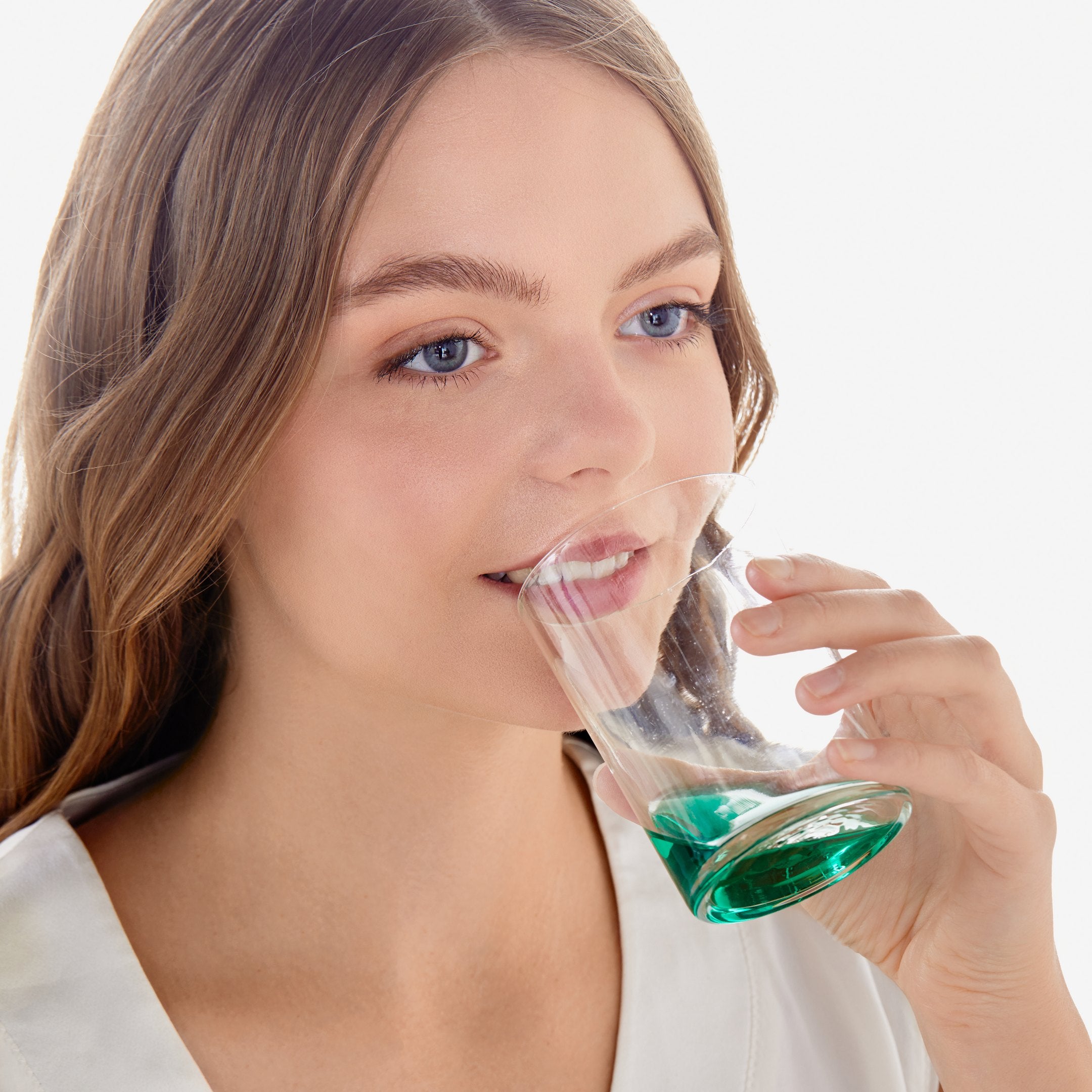
STEP 1 — Swish
Swish your mouth with the Lumorinse mouthwash for 60 seconds.The light-sensitive dye in the mouthwash adheres to the plaque surface.
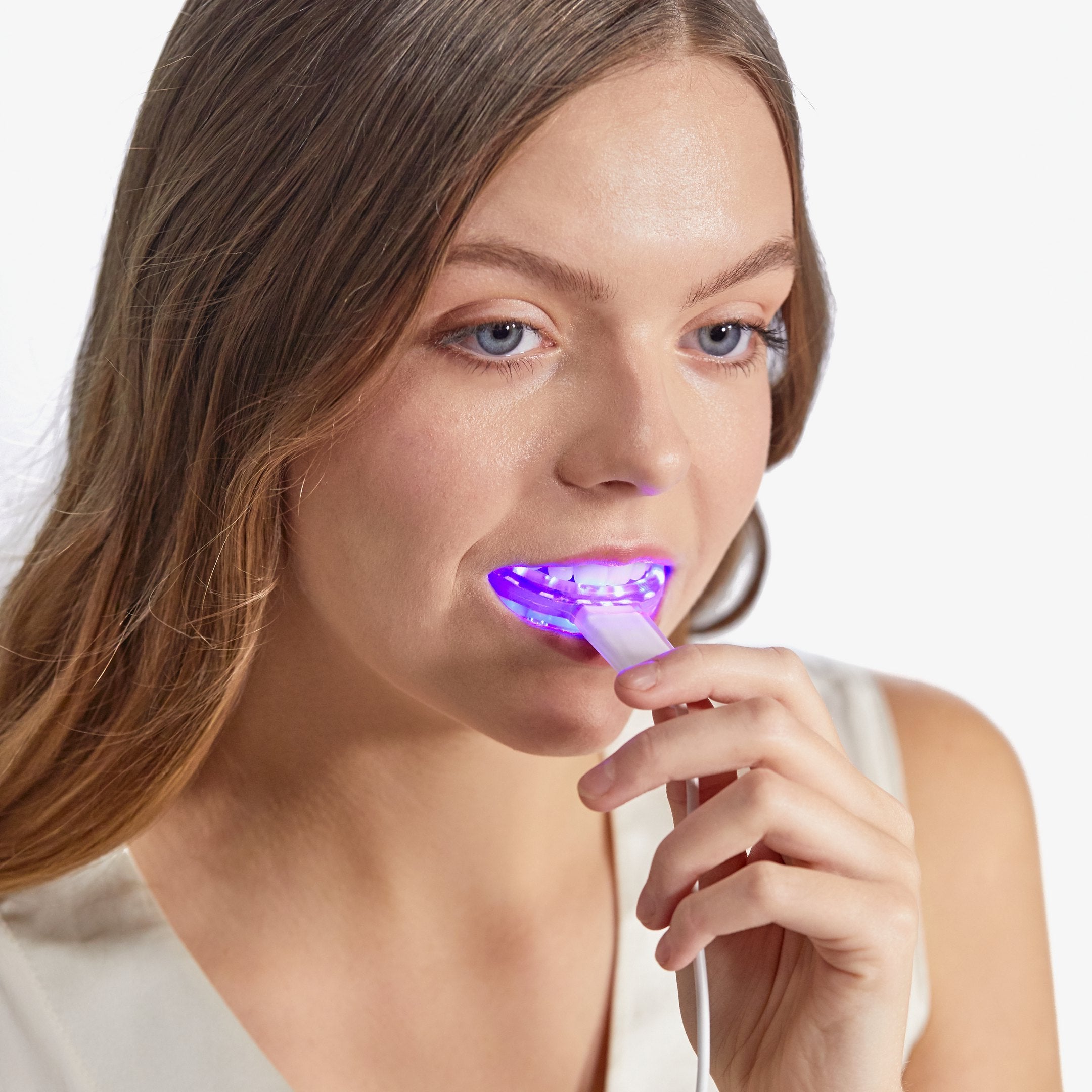
STEP 2 — ACTIVATE
Place the mouthpiece in your mouth and leave on for 10 minutes.The light activates the mouthwash, which triggers the antibacterial effect of the treatment.
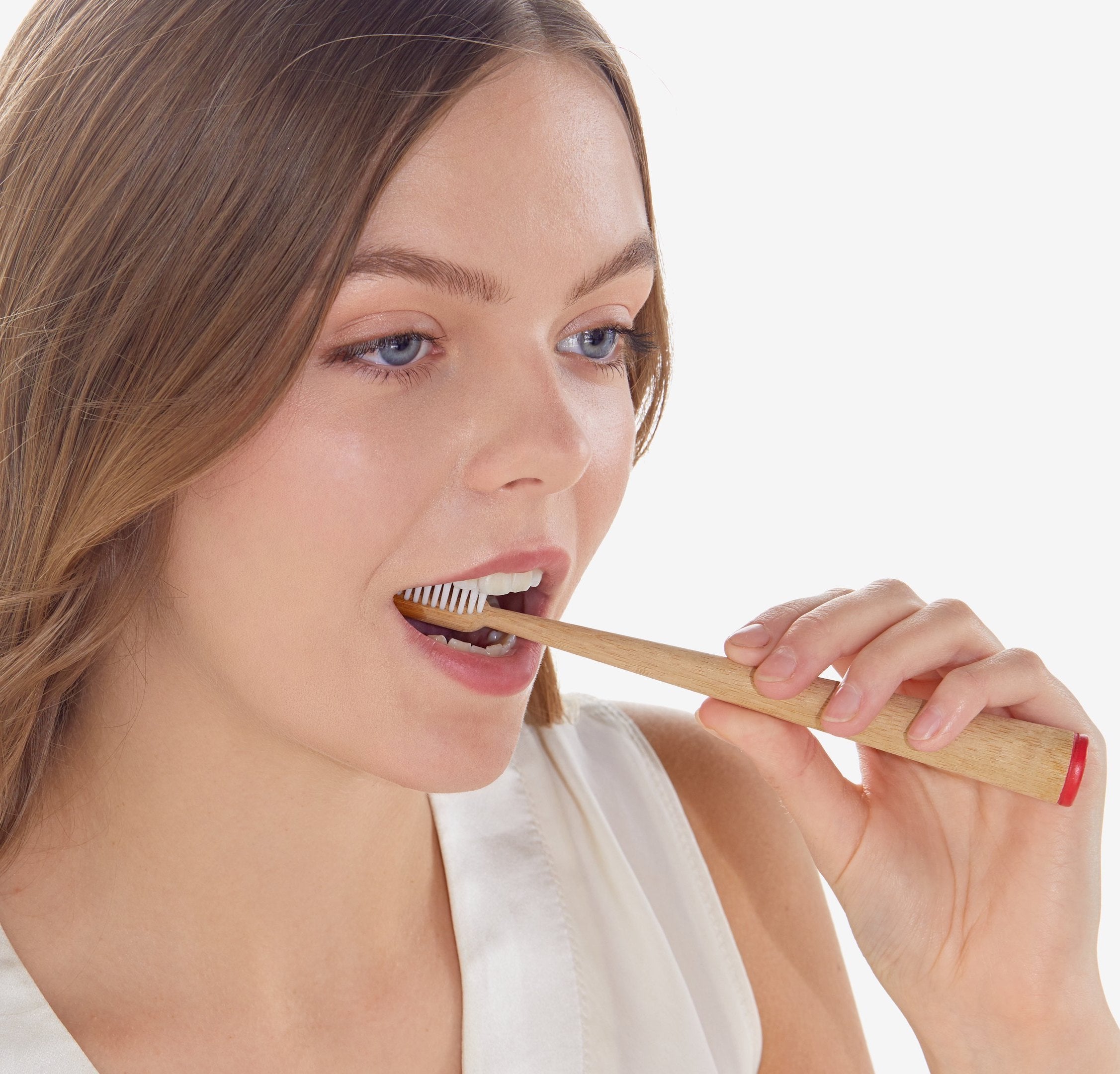
STEP 3 — Brush
Brush your teeth and clean the spaces between your teeth carefully.Even microscopic plaque will come off, leaving your teeth amazingly clean and smooth.
STEP 1 — Swish
Swish your mouth with the photosensitizer for 60 seconds.
The light-sensitive dye attaches to the plaque surface
STEP 2 — Activate
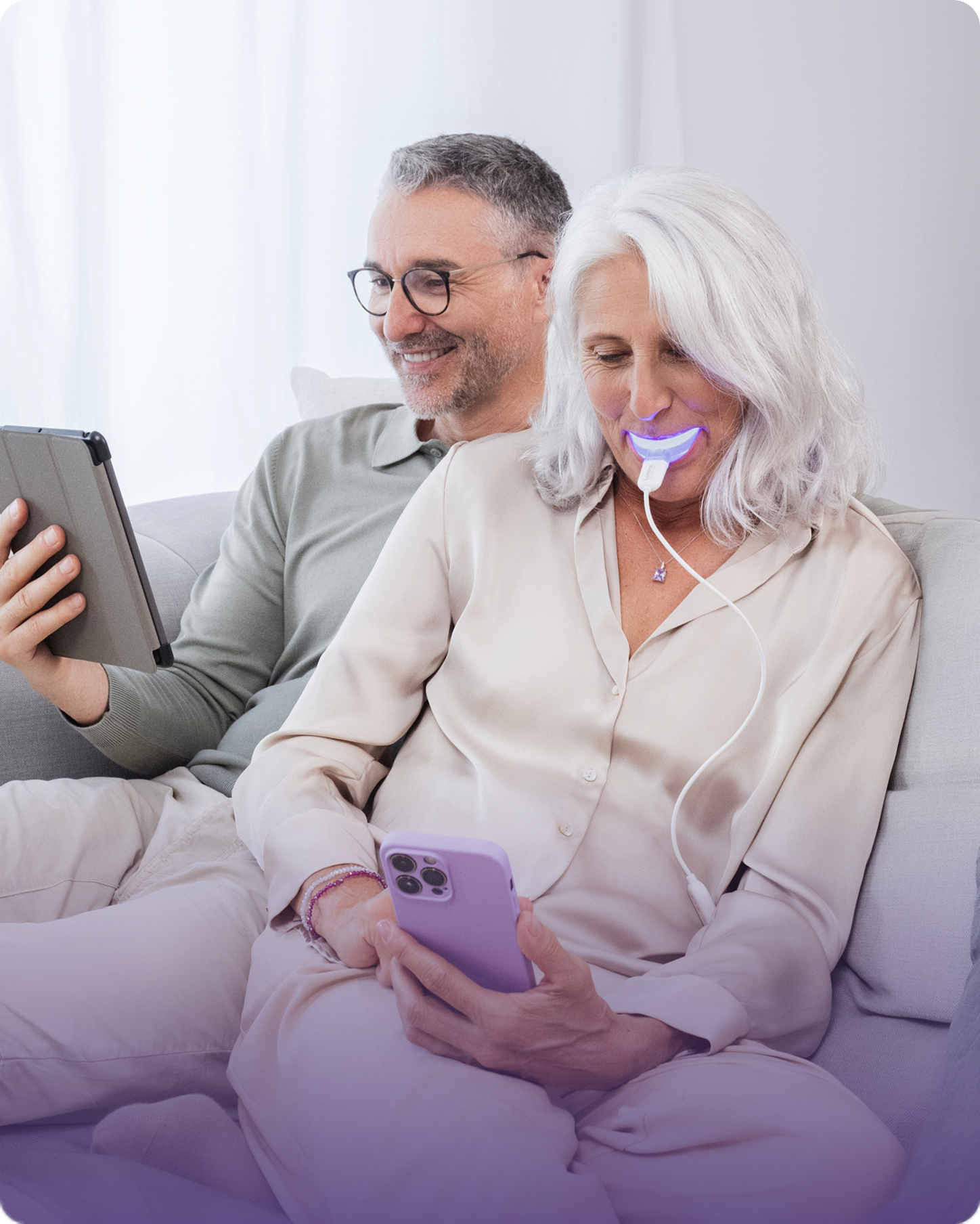
Place the mouthpiece in your mouth and leave on for 10 minutes.
The light activates the dye, which triggers the antibacterial effect of the treatment.
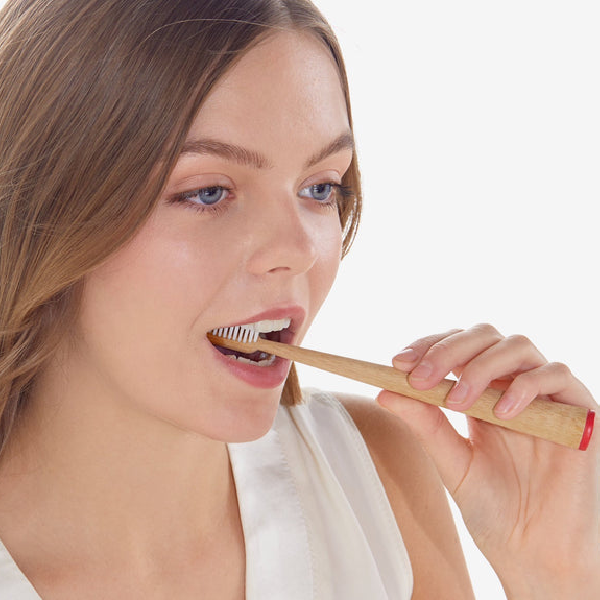
STEP 3 — Brush
Brush your teeth and clean the spaces between your teeth carefully. Even microscopic plaque will come off, leaving your teeth amazingly fresh and smooth.
Use twice weekly for preventative plaque control. Your dentist may recommend more frequent use when needed.

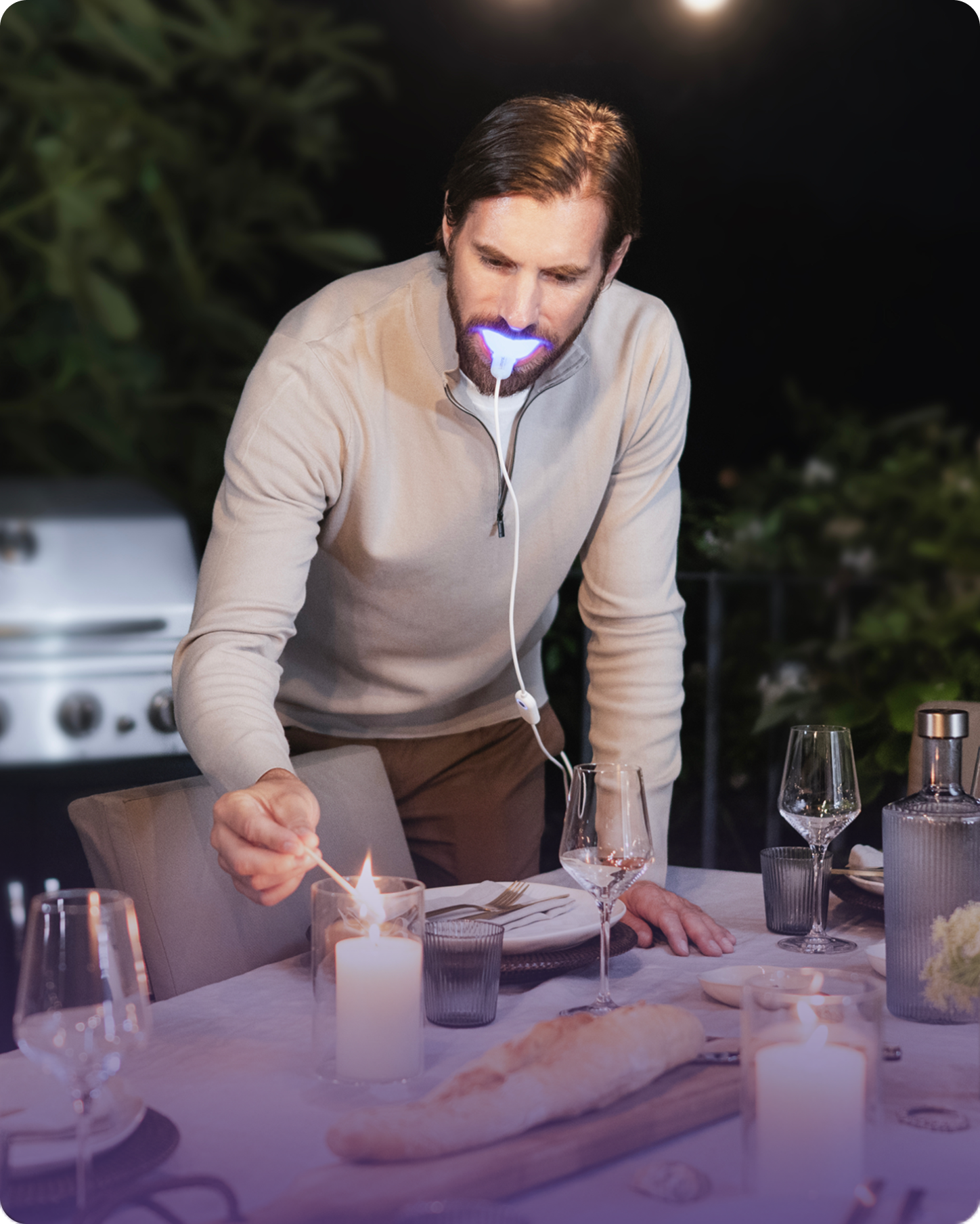
Medical technology excellence
Lumoral is developed and produced by Koite Health, a team of Finnish doctors, engineers, chemists, and semiconductor technology specialists. The product is designed by award-winning designer Harri Koskinen.
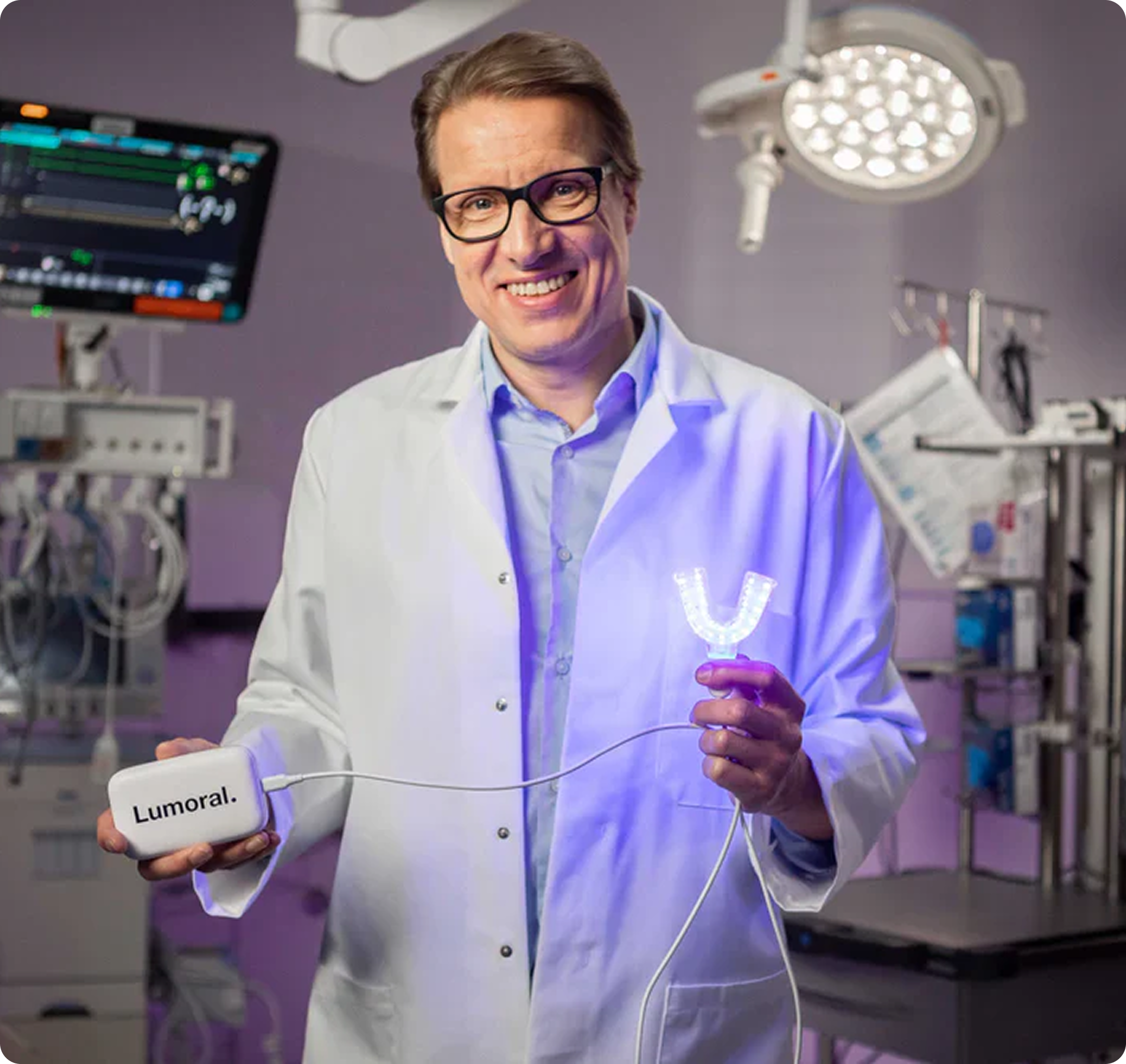
The Story of Lumoral
In 2016, cardiac surgeon Tommi Pätilä performed a difficult heart surgery at the Helsinki University Hospital. Samples taken from the patient's heart showed that the problems were caused by oral bacteria. Pätilä had a strong feeling: something had to be done. He never again wanted to have to operate on a heart that was suffering from oral bacteria.